
Jovan Andonov, Google DeepMind: The Future of E-commerce Search Is About Understanding What We Mean, Not Just What We Type
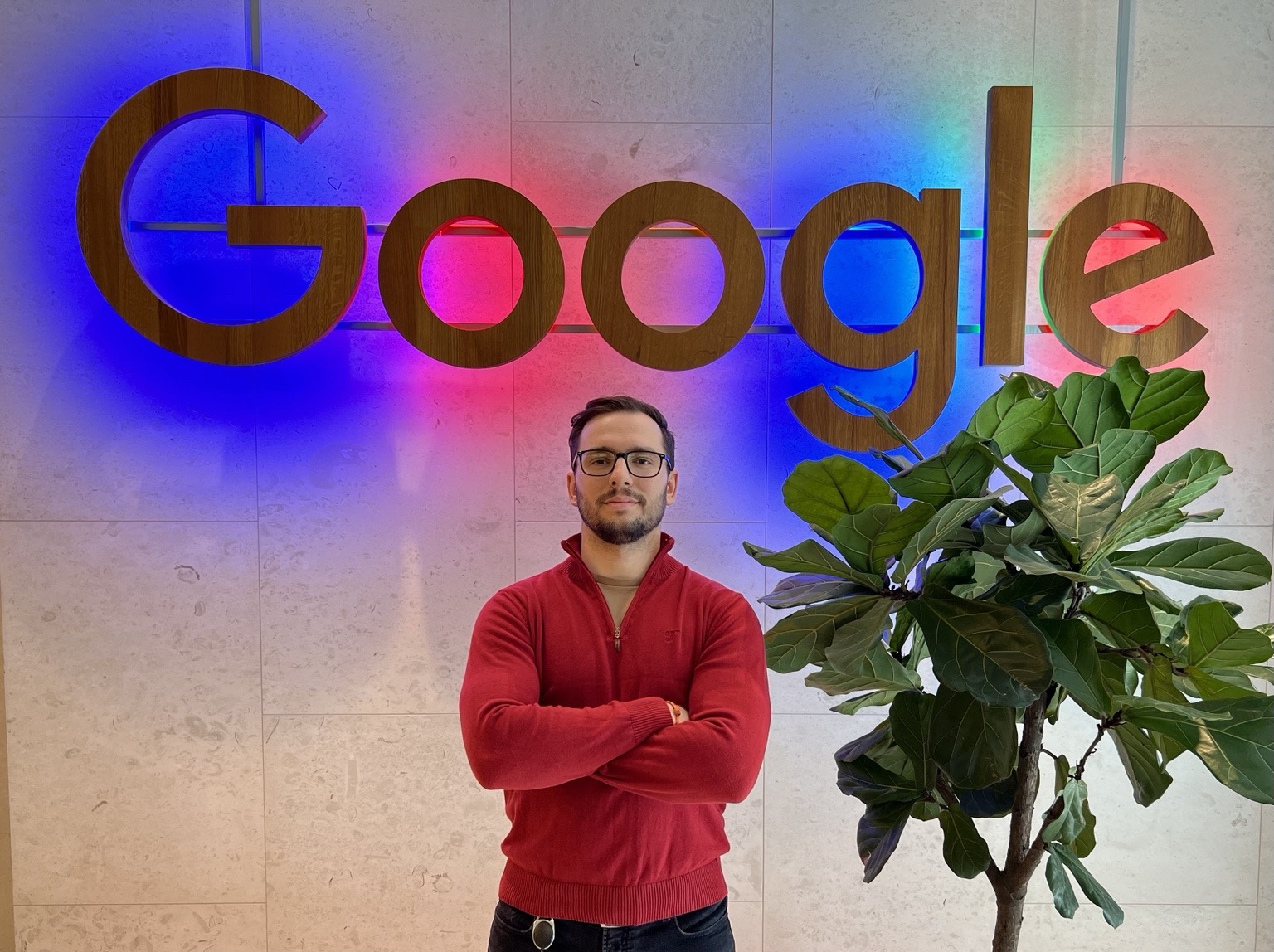
The way we search for and discover products online is entering a new phase. Instead of relying solely on keywords and predefined filters, AI is becoming increasingly capable of understanding the actual intent behind a shopper’s search — whether expressed through text, an image, or simply a description of what they need.
In this edition of E-commerce Industry Talks, we speak with Jovan Andonov, Senior Research Engineer at Google DeepMind and speaker at E-commerce Conference 2026, about the shift from traditional keyword search to semantic search, the role of AI in understanding context, and how these developments could reshape product discovery over the next few years.
According to Jovan, the future of online shopping will move beyond rigid categories and endless filter menus. Discovery will become more natural and multimodal, allowing shoppers to combine photos, screenshots, and everyday language to express what they are actually looking for.
On November 3 in Skopje, Jovan will take the E-commerce Conference stage to demystify how modern search and recommendation engines work – and explain, in a way accessible even to non-technical audiences, how AI is enabling a more intuitive and human way of finding the right products online.
1. What is the most important trend or shift in your industry that businesses should be paying attention to right now?
The shift from literal keyword search to true “meaning-based” understanding. For years, if a customer misspelled a term, described a vibe instead of a product name, or searched using a photo, traditional search bars failed. Today’s AI models can translate text, images, and user habits into a shared understanding of context, allowing platforms to instantly match what a shopper means, not just the exact words they typed.
2. What excites you most about the future of e-commerce, marketing, and tech?
Eliminating browsing rigid product categories and traditional search. Shoppers don’t naturally think in database filters like “Apparel > Men’s > Jackets > Water-resistant”; they think, “I need something for a rainy commute that is not too sporty.” Watching AI bridge that gap and turn vague, messy human ideas into exact product matches across photos and descriptions is what next-gen shopping should be about.
3. What insights, ideas, or perspectives will you bring to the audience at the E-commerce Conference 2026, and what is the one thing you hope that participants will remember?
I will try to demystify how modern search and recommendation engines evolve from traditional keyword search to semantic search. By the end of my talk hopefully every non-tech person in the audience will have a very basic idea of how AI helps us learn mathematical meanings that humans can intuitively understand and that computer systems can use for more natural product search and filtering.
4. Looking ahead to the next 2-3 years, how do you see e-commerce evolving – especially with the rise of AI, automation, and changing consumer behavior?
The traditional search bar and filter sidebar will start to disappear. Discovery will become fluid and multimodal: shoppers will mix photos, screenshots, and natural back-and-forth descriptions to find exactly what they want. Product recommendations will adapt instantly to what someone is doing in the moment, making an online store feel less like a digital warehouse catalog and more like walking in with a personal shopper who knows the entire inventory by heart.