
Aleksandra Bela, Founder of URMA: “The Future of E-commerce in the Balkans Lies in Authenticity, Trust, and New Ways of Connecting with Customers”
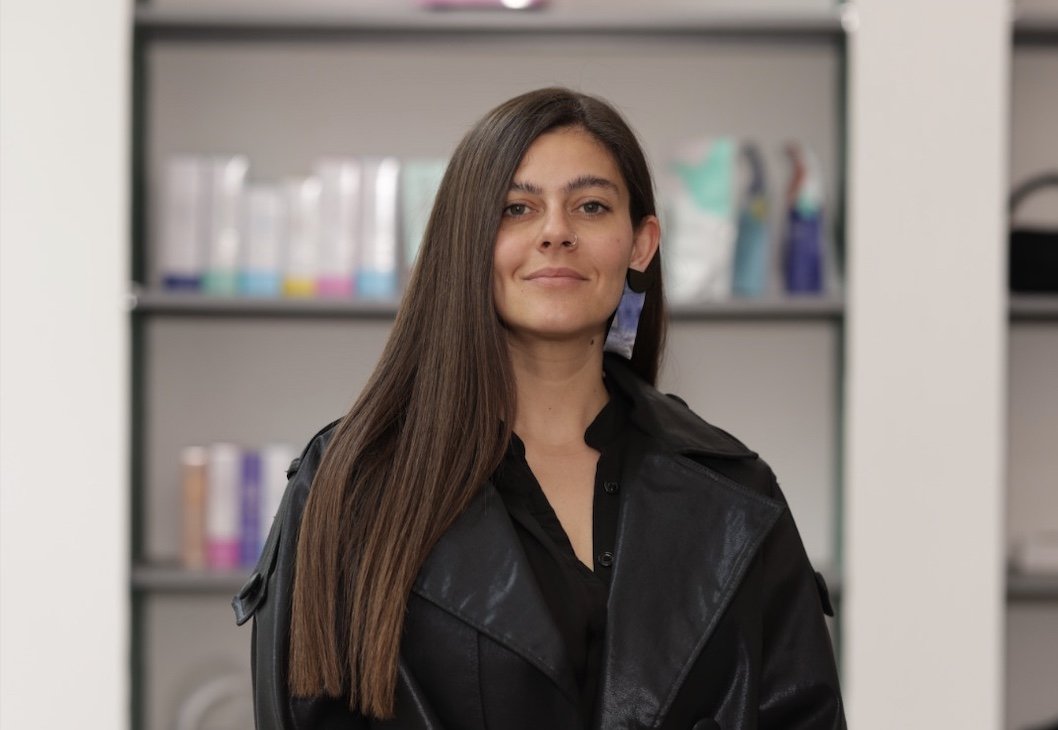
How can businesses stand out in a world where artificial intelligence is becoming part of everyday operations and consumers are looking for more authentic experiences? According to Aleksandra Bela Belcheva Atanasovska, Founder of URMA, the answer lies in combining creativity, trust, and a willingness to experiment.
Ahead of the 9th Regional E-commerce Conference, taking place on November 3 in Skopje, we spoke with Aleksandra about the trends shaping the future of online retail, the growing potential of live shopping and email marketing, the role of AI in creative processes, and opportunities for regional expansion.
In this interview, she shares why authenticity matters more than ever, why businesses shouldn’t be afraid of failure, and what makes the Regional E-commerce Conference such a valuable experience for the entire e-commerce community.
1. What is one e-commerce trend that you believe will significantly shape the industry over the next 12 months?
– The e-commerce industry is evolving rapidly, and since I first started working in this field, we have seen significant changes across almost every aspect of online retail.
Currently, some of the biggest trends in the market I operate in are email marketing and the integration of AI-powered automation to optimize processes, improve customer experience, and increase efficiency. Looking ahead, I believe live shopping will be one of the next major opportunities for e-commerce businesses in the Balkans. It is already gaining significant traction globally, and I see great potential for businesses in our region to adopt this model, engage with customers in real time, and create a more interactive and personalized shopping experience.
2. What is one thing businesses should stop doing in e-commerce – and one thing they should start doing immediately?
- I would focus on businesses in my own region, as this is the market where I operate and work. I believe e-commerce businesses in the Balkans should move away from using AI-generated creative content in their advertising when it looks too obvious, generic, and similar to what everyone else is doing.
AI tools should definitely be used to simplify workflows, improve efficiency, and support business growth. However, they should be used to bring a creative idea to life, with that idea coming from the actual needs, identity, and goals of the business — not the other way around.
When it comes to business development, I would strongly recommend making more strategic and consistent use of email marketing and introducing live shopping. I believe these two approaches offer significant potential for regional e-commerce businesses to build stronger customer relationships, increase engagement, and drive sales.
3. What is the biggest opportunity for e-commerce businesses in the Balkans right now?
The biggest opportunity for e-commerce businesses in the Balkans right now is building trusted, localized online shopping experiences and expanding across regional markets. Consumers are increasingly shopping online, but there is still significant room for improvement in customer experience, delivery, payment options, and brand trust.
I believe the biggest potential lies in combining strong local brands, social commerce, and efficient logistics to create platforms that offer customers something unique while making it easier for businesses to reach new markets. In particular, social commerce and live shopping offer a great opportunity to connect directly with customers, build communities, and increase sales.
For markets like Macedonia, the opportunity is not only to grow locally but also to use the country as a starting point for expansion across the Balkans. The businesses that succeed will be those that combine a strong brand identity, customer trust, seamless online shopping, and a clear regional growth strategy.
4. How is AI changing the way you work, and what is one AI tool or use case you believe every e-commerce professional should know about?
AI makes my daily work much easier, but as I mentioned, its role is to provide technical support in bringing ideas from me and my team to life. We use it to further develop our ideas and concepts, refine creative materials, plan social media content calendars, and handle similar tasks. However, the ideas themselves are still created by us, while these tools are extremely helpful in their execution.
5. If you could give one piece of advice to a business that wants to grow in e-commerce, what would it be?
Stay informed about what is happening around the world, keep learning, and never be afraid to experiment and introduce new ideas into your business. Everything is a test, and you will never know what truly works for your business until you try it.
Trust your intuition, think carefully about your next steps, and then act quickly.
And above all, never let failure discourage you too much. A failure may feel enormous to you, but the truth is that no one else will think about it for more than a day. For you, however, it can become a valuable lesson that teaches you what to do differently next time. Every experience, even an unsuccessful one, helps you grow, learn, and make better decisions.
6. What are you most looking forward to about the upcoming 9th Regional E-commerce Conference, and what would you say to people who are considering attending?
For me, the E-commerce Conference is one of the best things that could happen to our country and the region as a whole. Beyond the excellent and valuable content it offers, what I appreciate most is the energy of the event, the way it strengthens the e-commerce community, and the networking opportunities and meaningful connections I make every year.
The conference gets better and better each year, and I can’t wait for this year’s edition!
See you on November 3rd!