
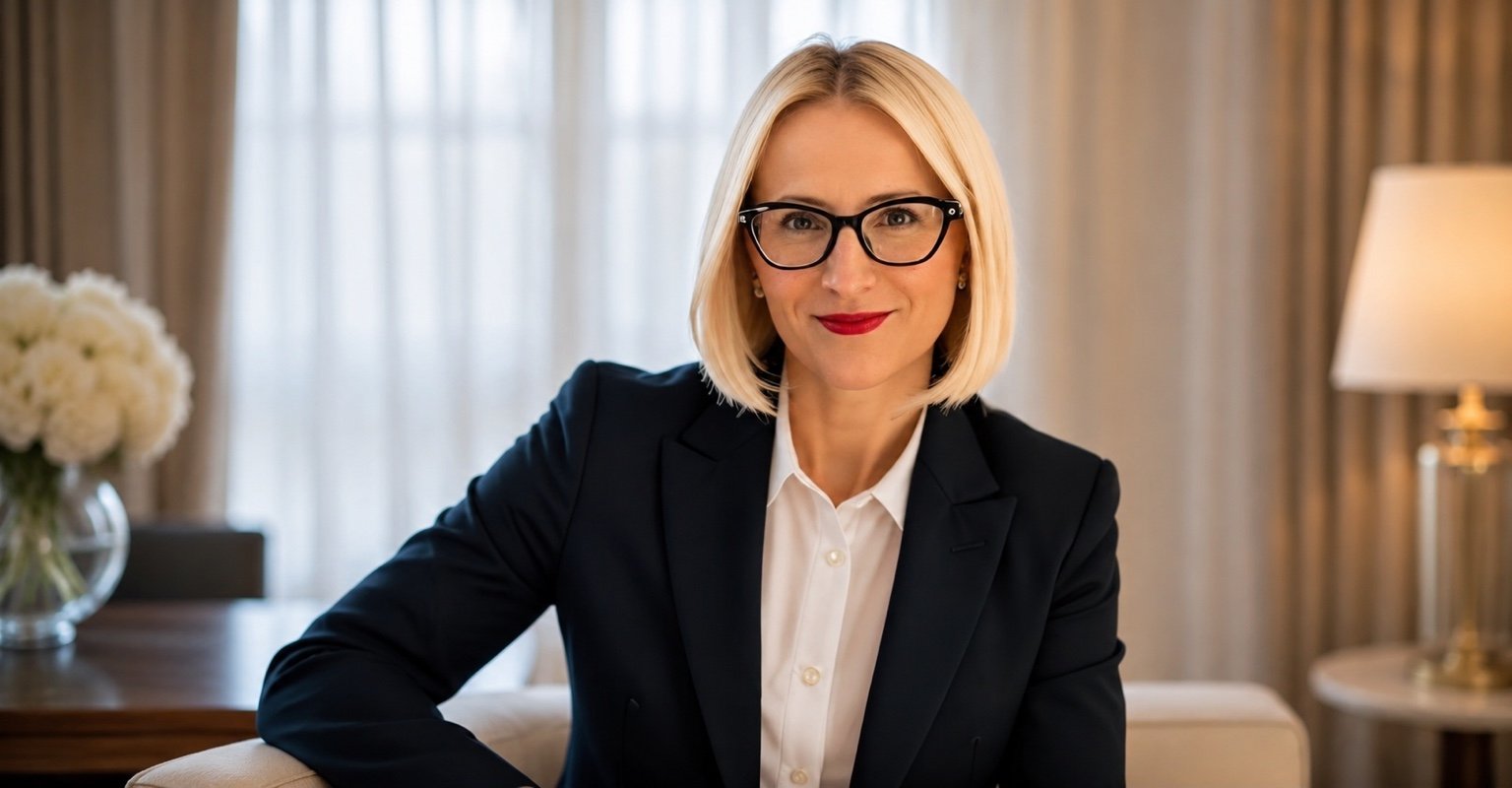
Natasha Velkovska: Forget the Click. Win the AI Recommendation.
The rules of e-commerce are changing. As AI reshapes how consumers discover products and make purchasing decisions, brands face a new challenge: it’s no longer just about getting noticed, but about getting recommended.
We sat down with Natasha Velkovska, Growth and Business Development Director at Represent and Brand Ambassador of the 9th Regional E-commerce Conference, to explore what this shift means for businesses across the Balkans.
From AI-powered recommendations and smarter customer experiences to building brands that can grow beyond borders, Natasha shares her perspective on what businesses need to rethink, what they should stop doing, and where the biggest opportunities lie.
1. What is one e-commerce trend that you believe will significantly shape the industry over the next 12 months?
I think the biggest shift will be in the path from search to selection.
For years, ecommerce businesses competed to rank higher on Google, win the click and bring customers to their website. Increasingly, an AI assistant may do the searching, comparing and shortlisting before the customer ever visits a store.
That changes the question from, “Can people find us?” to, “Will AI consider us worth recommending?”
For marketers, that is a very different game. Your product information, reputation, reviews, content, authority and consistency across the web suddenly matter not only to people, but also to the systems helping people decide.
The next digital shelf might not look like a shelf at all. It might be three recommendations inside an AI conversation.
2. What is one thing businesses should stop doing in e-commerce – and one thing they should start doing immediately?
Stop obsessing about getting more traffic before understanding why the traffic you already have does not buy.
More visitors cannot fix unclear product information, hidden delivery costs, complicated checkout, poor customer service or a brand people simply do not trust.
I would start designing ecommerce around reducing hesitation by asking at every step “What could make the customer stop here?”
I say this as someone who works in marketing: marketing cannot permanently compensate for a bad buying experience. Sometimes you don’t need another campaign that hopefully will boost your growth; you simply need less reason for your customer to abandon the purchase.
3. What is the biggest opportunity for e-commerce businesses in the Balkans right now?
To stop treating every Balkan country as the end of the market and start treating the region as the beginning of one.
We are relatively small markets individually, but together we have scale, similar consumer habits in many categories, geographic proximity and increasingly mature digital consumers.
The interesting opportunity is therefore regional by design: build the brand, logistics, payment experience and communication from the beginning with the possibility of crossing borders.
There are still real barriers, particularly trust, payment adoption, legal and customs issues and uneven infrastructure. But I see that as part of the opportunity. The businesses that solve those frictions better than everyone else can build a regional advantage that is difficult to copy.
4. How is AI changing the way you work, and what is one AI tool or use case you believe every e-commerce professional should know about?
In marketing, I find AI much more valuable as a sparring partner than as a copywriter.
I use it to challenge an idea, research a category, find patterns in information, explore different customer perspectives, test assumptions and get from a pile of information to a sharper brief much faster.
But there is one exercise I think every ecommerce marketer should do now: an AI visibility audit.
Ask ChatGPT, Gemini or another AI assistant the questions your customer would ask before buying. Which products does it recommend? Which brands appear? How does it describe yours? What sources shape that answer? Where are you completely absent?
We spent years learning how our brands appear on Google. Now we also need to understand how they appear inside AI-generated answers.
5. If you could give one piece of advice to a business that wants to grow in e-commerce, what would it be?
Remove reasons not to buy before inventing new reasons to buy.
Businesses naturally focus on the exciting part: campaigns, influencers, discounts, new platforms, AI tools. Customers often leave for much more boring reasons: they cannot understand the offer, do not know when the package will arrive, dislike the payment option, cannot find the return policy, or simply do not trust the seller enough.
Before spending another euro on acquisition, I would go through the entire journey as a customer.
6. What are you most looking forward to about the upcoming 9th Regional E-commerce Conference, and what would you say to people who are considering attending?
What I value most about The Regional E-commerce Conference is always hearing good stories about what companies tried, what failed, what worked and what they are changing next.
Our region does not need only imported success stories that work with Silicon Valley budgets, although those are valuable inspiration. We need conversations about what actually works in markets like ours, with our consumers, infrastructure and business realities.
And for anyone considering attending, I would say: bring some problems, along with the business cards, it is highly likely to find some solutions.