
Andre Lopes from Tesla: “We’ll Start Advertising Not Only to Humans, but Also to AI Agents”
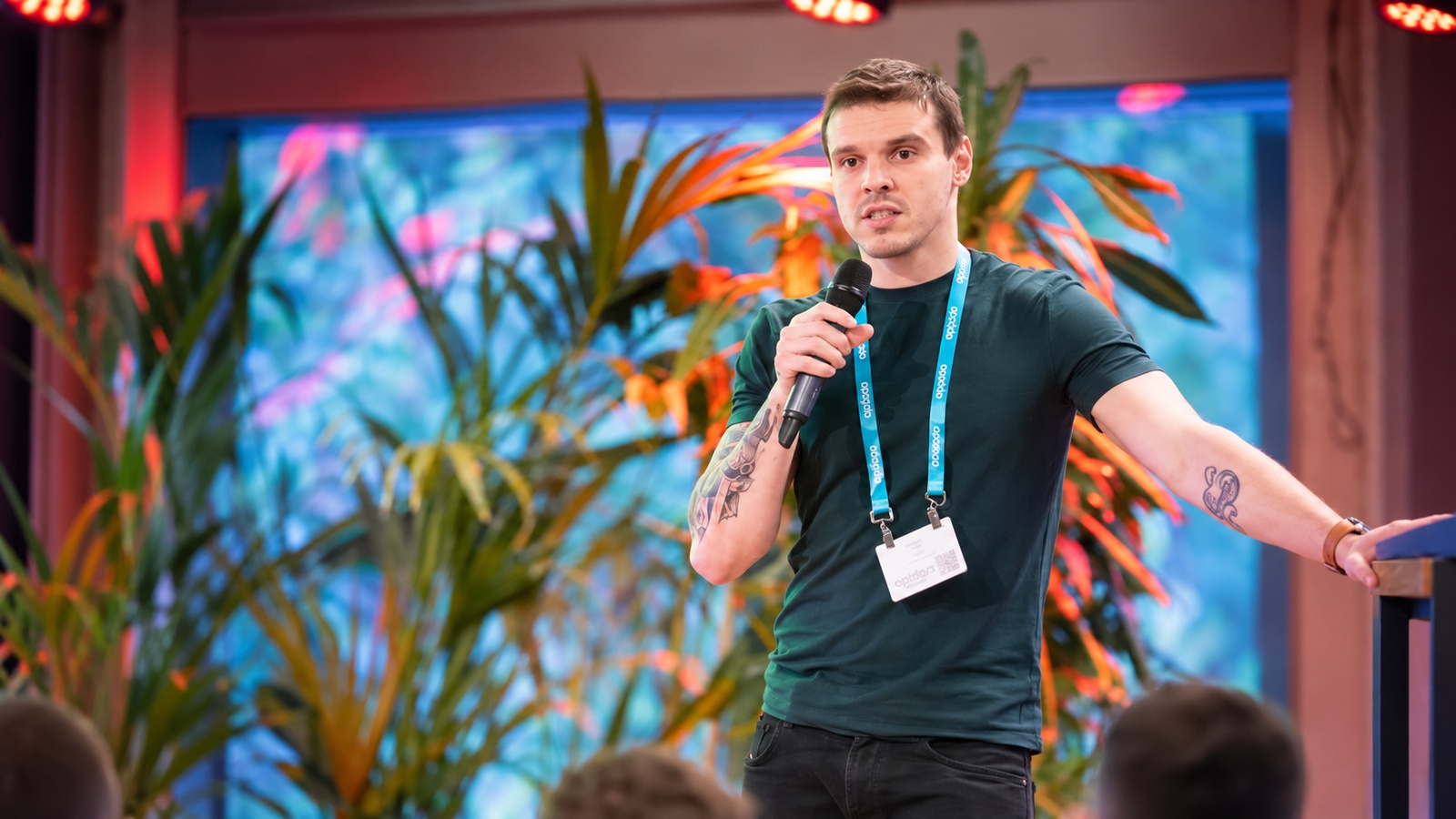
AI is changing more than how businesses build technology — it is changing who, or what, they are building and marketing for.
In this interview, Andre Lopes, Senior Software Engineer at Tesla, shares his perspective on the growing role of AI agents in e-commerce, the risks of relying too heavily on AI, and why strong architecture, security and human responsibility remain essential in an increasingly automated world.
Ahead of the E-commerce Conference 2026, Andre also gives us a glimpse into what he will bring to the stage: practical insights into building scalable systems and a reminder that AI should make our work faster and better — without replacing our understanding of what we create.
1. Looking at today’s business landscape, what is one common mistake you see companies making, and how can they avoid it?
As mentioned before, overly relying on AI for everything, as if it were a magical solution for all problems. AI is really useful and speeds up a lot of work. But being 100% relying on it has caused a lot of issues when it comes to security and reliability. Applications are being deployed without proper architecture, security, and documentation. Cases where AI just deleted everything.
We should embrace AI as another tool to make our work faster, better, and more reliable, but we cannot hand over everything without understanding what is being developed.
2. What excites you most about the future of e-commerce, marketing, and tech?
I think we have a bright future ahead. As tech goes through big shifts, AI is now the biggest of our decade.
For tech, I’m very excited about how I can automate more workflows.
For marketing and e-commerce, I think it will be interesting to see how we shape strategies around how we’ll start advertising not only to humans, but also to AI agents, as agents are becoming the highest traffic in e-commerce.
3. What insights, ideas, or perspectives will you bring to the audience at the E-commerce Conference 2026, and what is the one thing you hope participants will remember?
I want people to remember that we are the ones responsible for the tools we create, and we should always be aware of how we can solve all kinds of problems we find.
So I want to bring a perspective on scalable architecture and show that it is not as scary as we might think.
4. Looking ahead to the next 2–3 years, how do you see e-commerce evolving, especially with the rise of AI, automation, and changing consumer behavior?
As mentioned, a lot of internet traffic right now is driven by AI agents, as consumers are increasingly asking AI about the products they are looking for. So it will be interesting to see how we will shape advertising based on how we can sell products and ideas to AI agents.