
Amrita Lal, LinkedIn: In the Age of AI, People Are Becoming a Brand’s Most Powerful Voice
As AI makes it possible for brands to create and distribute more content than ever before, standing out is becoming less about how much you publish — and more about who people actually trust.
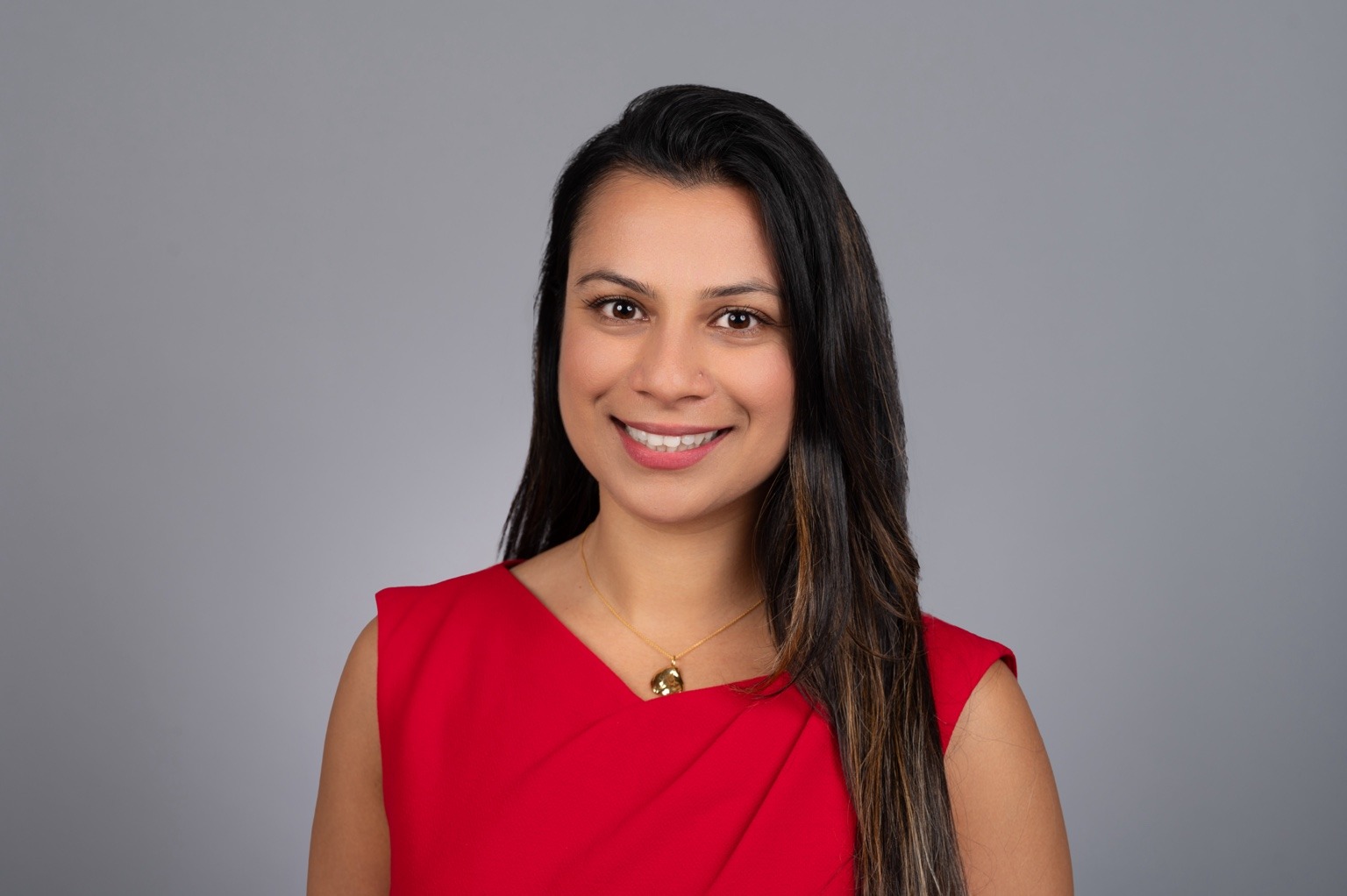
In this edition of E-commerce Industry Talks, we speak with Amrita Lal, Senior Client Solutions Manager at LinkedIn and speaker at E-commerce Conference 2026, about how brand building is changing in an increasingly digital and AI-powered world, why companies need to think beyond short-term campaigns, and how employees and executives are becoming some of the most influential voices a brand can have.
Drawing on more than a decade of marketing experience and work with global brands including Ferrero, Huggies and Douwe Egberts Coffee, Amrita argues that while technology has transformed how precisely brands can reach and understand their audiences, one fundamental principle remains unchanged: people trust people.
From LinkedIn’s 95–5 Rule and the growing importance of employee advocacy to measuring the real business impact of brand marketing, the conversation explores what it takes to build recognition, credibility and long-term demand in a world where content is becoming easier to produce, but genuine trust is becoming harder to earn.
At E-commerce Conference 2026 in Skopje, Amrita will bring this perspective to the stage, exploring how brands can combine the scale and efficiency of AI with the authenticity, expertise and human voices that ultimately shape trust and influence buying decisions.
- With more than a decade of experience in marketing and having worked with global brands such as Ferrero, Huggies, and Douwe Egberts Coffee, what are the biggest changes you’ve observed in how brands build recognition and trust? And are there any fundamentals of great brand building that haven’t changed at all?
Amrita Lal: The biggest change has been the shift towards digital-first, highly personalised brand building. Brands can now use technology and data to reach audiences more precisely, while creators and micro-influencers provide trusted, authentic voices that help build relevance and recognition within specific communities. What has not changed is the power of word of mouth: recommendations from people we trust remain one of the strongest drivers of brand credibility. Ultimately, great brand building still starts with a distinctive product or service that delivers genuine value, offers a clear advantage over competitors and gives people a compelling reason to recommend it.
- LinkedIn uniquely connects the professional and business worlds. How can brands use the platform to build a strong, long-term presence rather than treating it simply as another channel for short-term campaigns? What separates brands that do this particularly well?
Amrita Lal: Brands should use LinkedIn to build sustained awareness, not simply activate short-term campaigns. The 95–5 Rule reminds us that only around 5% of potential buyers are actively in-market at any given time, while the remaining 95% may buy in the future. Reaching broad, relevant audiences consistently helps a brand remain top of mind and builds the associations that drive future demand, sales and cash flow when those buyers are ready. The brands that do this best take a full-funnel approach: they connect long-term brand building with consideration and conversion, delivering the right message at each stage of the customer journey rather than relying on isolated campaign bursts.
- AI is dramatically changing how marketing content is created and distributed. As it becomes easier for brands to produce more content at greater speed, how can they use AI effectively without losing authenticity, creativity, and the human element that builds trust?
Amrita Lal: AI should enhance human creativity, not replace it. As content becomes faster and easier to produce, brands will stand out by using AI for scale, insight and efficiency while keeping trusted people at the heart of the story. People buy from people: employees, executives, customers and industry experts bring the credibility, lived experience and distinctive points of view that a corporate sales message often cannot.
Brand reputations are increasingly shaped by real people and the reach of their professional networks: 87% of B2B buyers prefer credible content from trusted industry influencers over branded sales messages. The opportunity is to use AI to help identify relevant themes, tailor formats and distribute content more effectively—without automating away the personality, judgement or original thinking that builds trust.
A strong place to start is with employee and executive advocacy. Their voices humanise the brand, and their combined LinkedIn networks are, on average, 12 times larger than the company’s own network. The most effective approach is therefore AI-enabled but human-led: use technology to improve productivity and reach, but let people provide the ideas, stories and authenticity audiences believe.
- More companies are encouraging employees to become active voices on LinkedIn. How important is employee advocacy for brand building today, and how can companies encourage it without making employees’ content feel overly scripted or corporate?
Amrita Lal: Buyers listen more closely to trusted people than brands, making employees a powerful distribution network. Every post, comment and conversation is a small, credible signal that builds visibility and influence over time – this is called The Drip Effect. Particularly as AI increasingly draws on active professional voices.
How to Build a Drip Network:
- Engineer the Flow – Show how employee storytelling turns brand participation into career capital by building employees’ visibility, authority, and professional image.
- Systemize the Drip – Turn organic advocacy into a sustained rhythm, not a one-off push.
- Measure the Seep, Not the Splash – Track how stories circulate, compound and convert across the network over time.
- Brand marketing is increasingly expected to demonstrate measurable business impact. What should companies actually be measuring on LinkedIn to understand whether their brand-building efforts are working, beyond impressions, clicks, and follower growth?
Amrita Lal: Companies need to measure whether LinkedIn is changing what the right audiences think, feel and do—not simply how many people saw or clicked an ad. That means tracking incremental lift in awareness, familiarity, consideration, preference and purchase intent; assessing reach and engagement across priority accounts, decision-makers and the wider buying committee; and monitoring downstream behaviours such as branded search, quality website visits, content engagement and return visits. Those signals should then be connected, through conversion tracking, CRM data and attribution, to qualified leads, pipeline progression, win rates, sales-cycle length, customer acquisition cost and revenue. The strongest measurement framework combines brand lift, buyer behaviour and commercial outcomes over time, recognising that brand building often influences demand well before a buyer is ready to convert.
- Based on your experience across different industries and markets, what are the most common mistakes brands make on LinkedIn, and what should they be doing differently to achieve better results?
Amrita Lal: One common mistake is treating LinkedIn as a single-stage channel -focusing only on awareness or immediate lead generation—rather than managing the full customer journey. Brands achieve stronger results when they connect brand building, consideration and conversion through consistent messaging, then integrate LinkedIn with their wider technology stack, including website analytics, conversion tracking, CRM and sales data. This creates a clearer view of how activity influences audience behaviour, pipeline and revenue, allowing brands to optimise for long-term growth rather than isolated campaign metrics.
- Looking ahead three to five years, how do you expect LinkedIn and B2B marketing to evolve? Beyond AI, which trends do you believe will have the biggest impact on how brands communicate with customers and professional communities?
Amrita Lal: B2B marketing will become more human and community-led, with trusted employees, customers and experts carrying greater influence than corporate content alone. At the same time, stronger integration between marketing, sales and CRM data will make brands more accountable for demonstrating impact on pipeline and revenue.